
SAVE's Community Education Team is dedicated to empowering our communities to end the cycle of violence and build healthy relationships through comprehensive violence prevention and healthy relationship education. We take a trauma-informed, strengths-based, and community-centered approach in our work, striving to embed the frameworks of inclusion, intersectionality, social justice, and youth and community empowerment in all that we do.
We have served over 35 schools in the Bay Area, provided hundreds of school and community presentations, tabled at hundreds of community events, and served over thousands of community members! How can we best serve you?
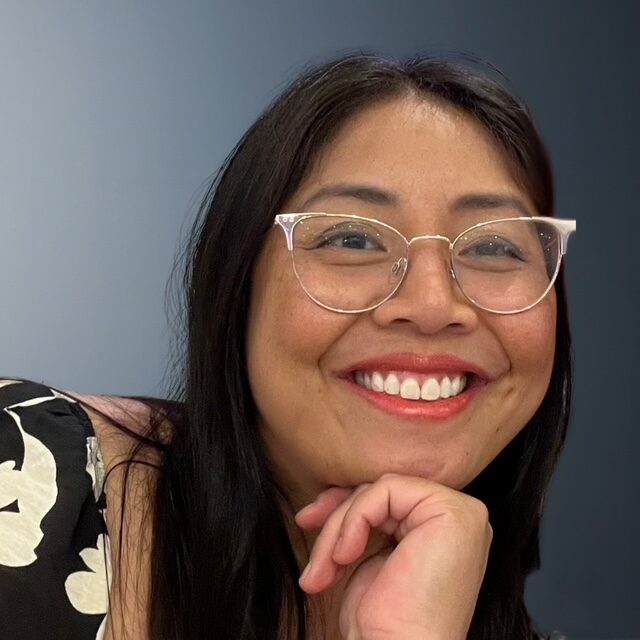
Jane Dalugdugan (she/her)
Community Education Manager
Jane (she/her) is the Community Education Manager at SAVE. Jane earned a Bachelors of Arts in Public Health from UC Berkeley and her Masters in Public Administration, focused on Health Policy, from New York University. Jane has over 20 years of experience in public health, health education, and community development in diverse communities. She started as a peer health educator in college, promoting sexual health and HIV/AIDS awareness among youth and Asian American, Native Hawaiian/Pacific Islander communities. She is committed to addressing health disparities and bringing awareness to stigmatized issues such as sex, HIV/AIDS and now, intimate partner violence.
What's your favorite thing about prevention work?
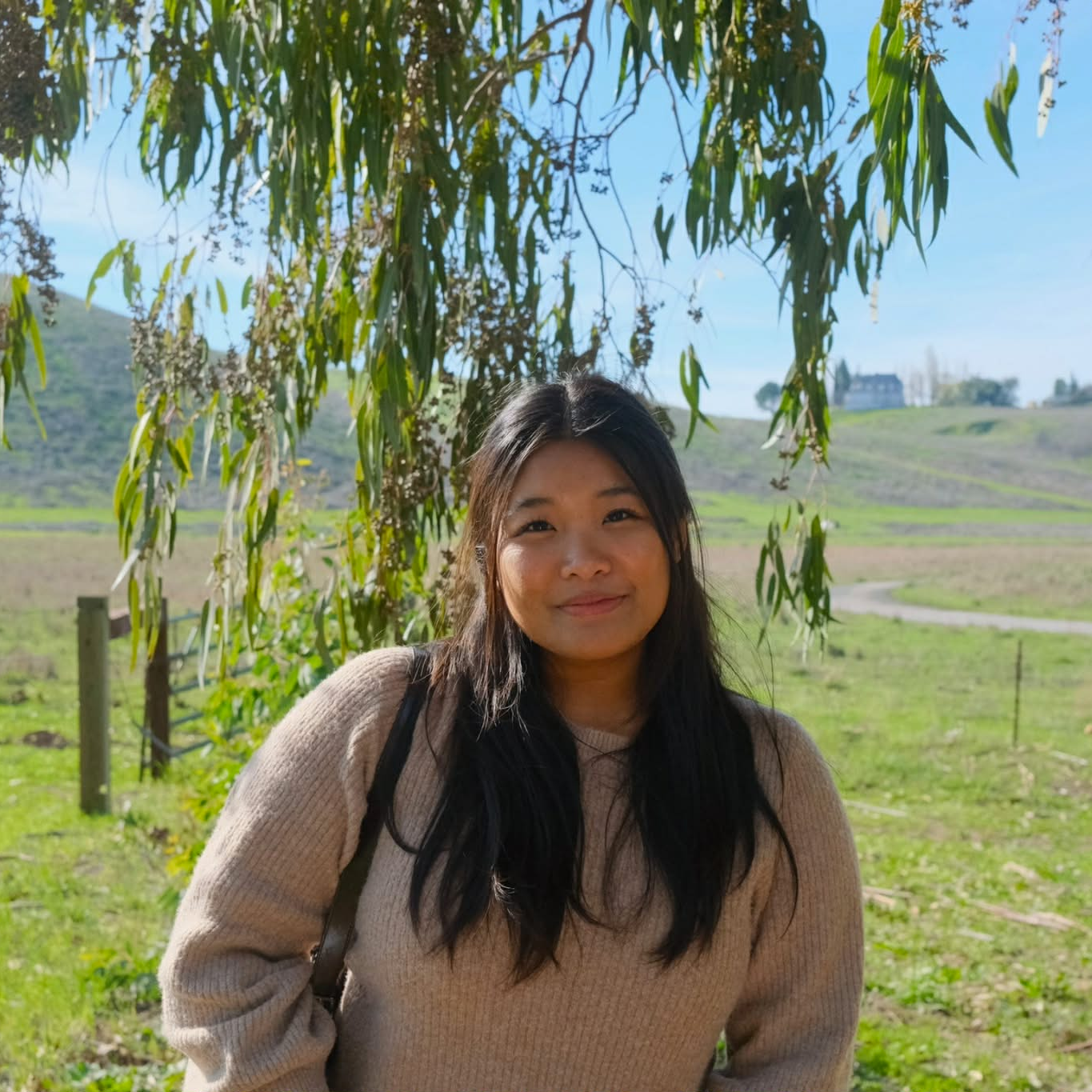
Angelle Mercado (she/her)
Community Education Specialist
Angelle (she/her) is a Community Education Specialist at SAVE. She earned a Bachelor of Science in Psychology at the University of California, Riverside, where she worked as a Peer Educator at CHASS FIRST, supporting first-year students' transition into university life. She also interned at the university's Women's Resource Center, empowering students' professional development towards career endeavors. With a passion for education and mentoring, Angelle is excited to work with the community to create safe spaces to learn about healthy relationships and encourage conversations around often overlooked topics. In her free time, she enjoys crocheting, playing Sudoku, and baking.
What's your favorite thing about prevention work?
- My favorite thing about prevention work is starting conversations that many people are afraid to have. With so many discussions about violence often hitting close to home, I love being able to create safe spaces where people feel comfortable enough to ask questions and share their thoughts and experiences with others.
- I also love connecting with others from different walks of life. Everyone has different experiences that have impacted their understanding of violence. It is never too late to reach anyone through prevention education and create a safer community for everyone.